CWWPP
  • Home
  • About Us
    • Who are we?
    • Mission and Vision
    • The Region
    • Profile of Psychological Trauma
    • History
    • Partners
    • Get Involved
    • Reports >
      • Monthly Reports
      • Annual and Semi-Annual Reports
  • Our Work
    • Philosophy
    • Social Inclusion
    • Community-based Training
    • Groups with which We Work
    • Peer Counseling and Self-Help Groups
    • Education >
      • Onsite Education
      • Online Education
      • "Blended" Education in Croatia and Other Regions
      • How You Can Request a Course or Counseling
      • Internships, The Summer Program, and Other Possibilities for Students
    • Supervision
    • Work with people
    • Sensitization
    • The Migrant Project
  • PET (Pragmatic Empowerment Training)
    • Pragmatic Empowerment Training (PET)
    • Course 1-The Caregiver-Client Relationship >
      • 1 Introduction >
        • 1 Introduction to the PET
        • 2 The CWWPP >
          • Introduction to the CWWPP - Comments
        • 3 PET
        • 4 Facilitation
        • 5 Additional Remarks on the Course >
          • Inventarization
      • 2 The Caregiver-Client Relationship >
        • 1 Introduction and the Caregiver Client Relationship as the Basis of Everything
        • 2 Some First Principles >
          • Taking an Interest In and Concentrating on the Client
          • Taking An Attitude of Humanity and Compassion
          • Listening and Responding to the Total Person
        • 3 Some Points About Language and Getting to Know the Client >
          • Activities - Using Language That the Person Can Understand
          • Activities - Taking the Time and Getting As Much Information as Possible
          • Activities - Feelings
          • Activities - Motives
          • Activities - Interests
          • Activities - Content and Its Interpretation
          • Activities - Assumptions
          • Activities - Prejudices
          • Activities - Expectations
          • Activities - Generalizations
          • Activities -Final Remarks
        • 4 Creating the Right Atmosphere >
          • Activities - The Physical Environment
          • Activities - Formality
          • The Theme of the Session
          • Activities - The Presence of Other People in the Session
          • Activities - The Pressure on the Caregiver and the Client
          • Activities - Final Activities
        • 5 Persistence Patience Insistence Discipline >
          • Activities - Persistence
          • Activities - Patience
          • Activities - Insistence
          • Activities - Discipline
          • Activities - Final Comments
        • 6 Identification and Maintaining Self-Identity >
          • Activities - Identification of the Caregiver with the Client and of the Client with the Caregiver
          • Activities - Maintaining Your Own Identity
          • Activities - Final Comments
          • Education
        • 7 Tolerance and Individualization >
          • Activities - Tolerance and Taking a Non-Judgmental Approach
          • Activities - Individualization
          • Activities - Final Comments
        • 8 Responsibility, Control, and Giving Permission >
          • Activities - Getting the Client to Take Control of His or Her Own Life
          • Activities - Giving the Client Control
          • Activities - Giving the Client Permission
          • Activities - Final comments
        • 9 Giving Time and Space; Listening vs. Preaching >
          • Activities - Giving Time and Space
          • Activities - Listening vs. Preaching
          • Activities - Final Remarks
        • 10 Gaining and Maintaining Trust >
          • Activities - Honesty
          • Activities- Openness
          • Activities - Directness
          • Activities - Keeping Promises
          • Activities - Humanity
          • Activities - Final Activities
          • Activities - Final Remarks
        • 11 Ethics >
          • Activities - Do No Harm
          • Activities - Privacy
          • Activities - The Relationship Between the Caregiver and the Client Outside of the Caregiving Situation
          • Activities - Professionalism
          • Activities - Payment and Gifts
          • Activities - Conventions and Codes
          • Activities - Final Activities
          • Activities - Final Remarks
        • 12 Preparation, Flexibility, and Adaptation >
          • Activities - Preparation
          • Activities - Flexibility and Adaptation
          • Activities - Final Remarks
        • 13 Religion, Belief, and Hope >
          • Activities - The Role of Belief and Religion
          • Activities - Hope
          • Activities - Final Remarks
        • 14 Time and Closeness Revisited >
          • Activities - Time
          • Activities - Closeness
          • Activities - Final Remarks
        • 15 Final Remarks and Activities for this Section >
          • Activities - Final Activities
      • 3 Self-Care >
        • 1 Introduction to this Section >
          • Activities - Introduction
        • 2 Limits >
          • Activities - Time
          • Activities - Physical and Emotional Energy
          • Activities - Acceptance of What We Can and Cannot Do
          • Activities - Final Remarks
        • 3 Burnout >
          • Activities - Introduction and Definition of Burnout
          • Activities - The Causes of Burnout
          • Activities - Symptoms and Signs of Burnout
          • Activities - Dealing with Burnout
          • Activities - Prevention of Burnout
          • Activities - Final Remarks
        • 4 Self-Reflection and Self-Criticism >
          • Activity - Self-Reflection and Self-Criticism
        • 5 The Balance Between Professional and Private Life >
          • Activities - Th Balance Between Professional and Personal Life
        • 6 Supervision and Intervision >
          • Activities - Supervision and Intervision
        • 7 Factors Promoting and Detracting from Self-Care
        • 8 Final Remarks and Activities for this Section >
          • Activities - Factors Promoting and Detracting from Self-Care
          • Activities - Final Remarks
      • 4 Final Remarks and Activities for the Course >
        • Activities - Final Remarks for the Course
    • Miscellaneous Educational Documents
  • Library
    • Learning Materials and Course Summaries
    • Brochures and Briefing Papers
    • Conference and Scientific Papers
    • Conference Trauma and Mental Heal in Conflict and Migration >
      • Kanda
      • Young
      • Shrusti
      • Dougherty
      • Yoder-Lopez
      • Tauber
      • Sillett
      • Niconchuk
    • Osijek Seminar 7 May 2019
    • InPact Conference May 2019
    • Articles about and by CWWPP
    • Artwork By A Refugee
  • Contact Us
  • Links
  • Donate
  • Koalicija za rad sa psihotraumom i za mir Vukovar
    • O nama
    • Objave
    • Misija i vizija
    • Godisnja financijska i opisna izvjesca
    • Kontakt
    • Živa knjižnica
    • Aktivnosti
    • Naš rad >
      • Naša filozofija
      • Socijalna uključenost
      • Obuka u zajednici
      • Skupine s kojima radimo
      • Peer savjetovanje/Grupe za samopomoć
      • Edukacija
      • Supervizija/Intervizija
      • Senzibilizacija društva/Brošure
      • Projekt Migranti
    • Profil psihološke traume
    • PET Program >
      • Tečaj 1- Odnos pomagača i korisnika >
        • 1. Uvodni dio tečaja >
          • 1.1. Uvod
          • 1.2. O CWWPP-u i početcima PET-a
          • 1.3. Trening pragmatičnog osnaživanja (PET)
          • 1.4. Uvod u facilitiranje
          • 1.5. Završne napomene o načinu funkcioniranja tečaja
        • 2. Odnos pomagača i korisnika >
          • 2.1. Odnos kao osnova svega
          • 2.2. Osnovna načela
          • 2.3. O jeziku sporazumijevanja i o upoznavanju korisnika
          • 2.4. Stvaranje ugodaja
          • 2.5. Ustrajnost, strpljivost, upornost i disciplina
          • 2.6. Identificiranje s drugima i čuvanje vlastitog identiteta
          • 2.7. Tolerancija, ne osuđujući pristup i individualizacija
          • 2.8. Odgovornost, kontrola, davanje dozvole za izražavanje osjećaja
          • 2.9. Davanje vremena i prostora; slušanje umjesto moraliziranja
          • 2.10. Stjecanje i održavanje povjerenja
          • 2.11. Etika
          • 2.12. Priprema, fleksibilnost i prilagodba
          • 2.13. Vjera, religija i nada
          • 2.14. Ponovimo: Vremenska posvećenost i prisnost s korisnikom
          • 2.15. Završne napomene i aktivnosti
        • 3. Self-Care >
          • 3.1. Uvod
          • 3.2. Ograničenja
          • 3.3. Burnout
          • 3.4. Samopromatranje i samokritika
          • 3.5. Ravnoteža između poslovnog i privatnog života
          • 3.6. Supervizija i intervizija
          • 3.7. Čimbenici i aktivnosti koji potiču ili ometaju Self-care
          • 3.8. Završne napomene i aktivnosti za ovo poglavlje
        • 4. Završne napomene i aktivnosti za ovaj tečaj
    • Donirajte
  • Podcast

GODIŠNJA FINANCIJSKA

I OPISNA IZVJEŠĆA

Izvješće o radu udruge u 2022. godini

5/2/2023

0 Comments

 
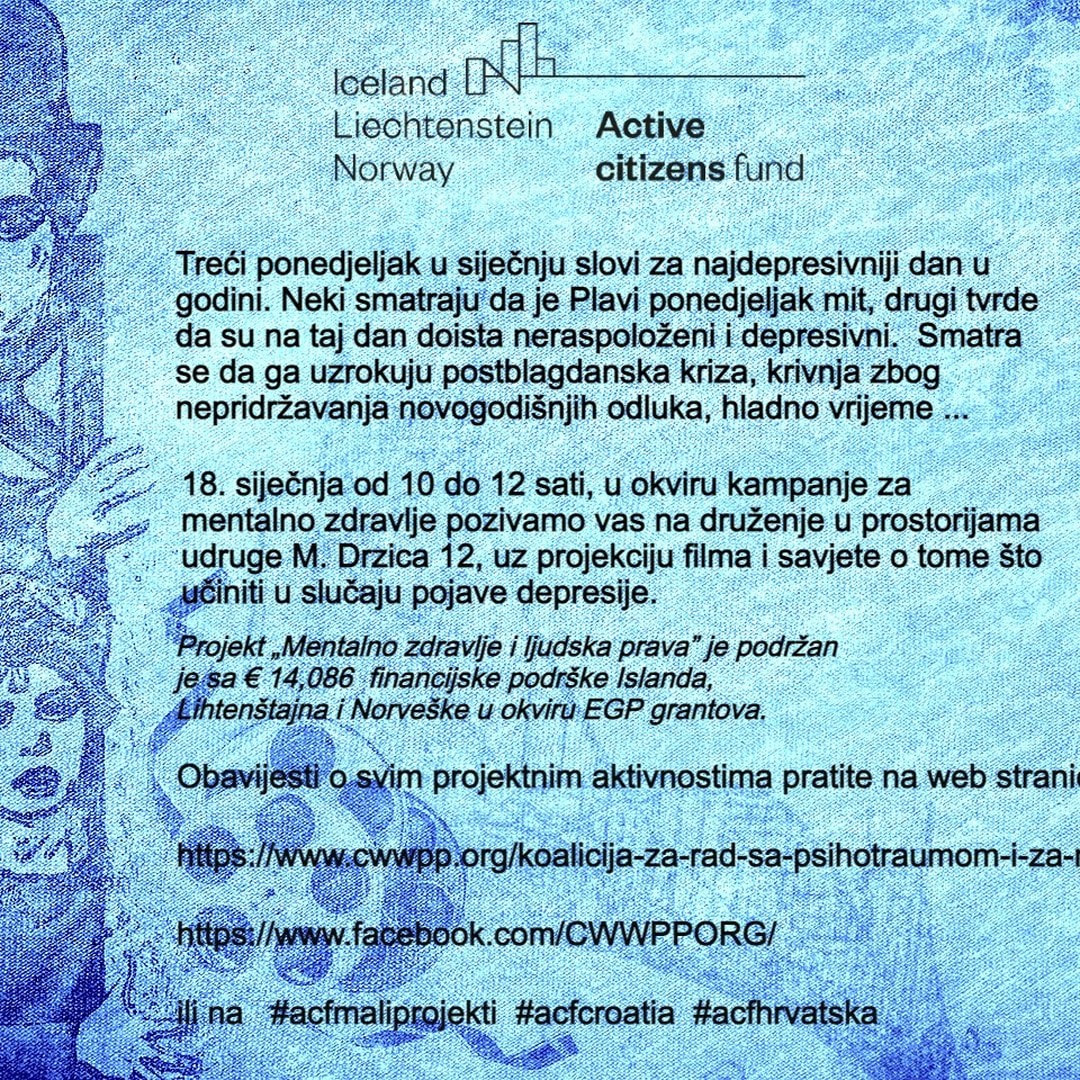
​20. siječnja 2022.organizirali smo akciju informiranja građana o depresiji na ovogodišnji Plavi ponedjeljak (Blue Monday), poznat u medijima i kao „najdepresivniji dan u godini“.
 
Uspostavili smo mobilne timove psihološke pomoći uz financijsku podršku Vukovarsko- srijemske županije, koju smo provodili tijekom cijele godine.
 
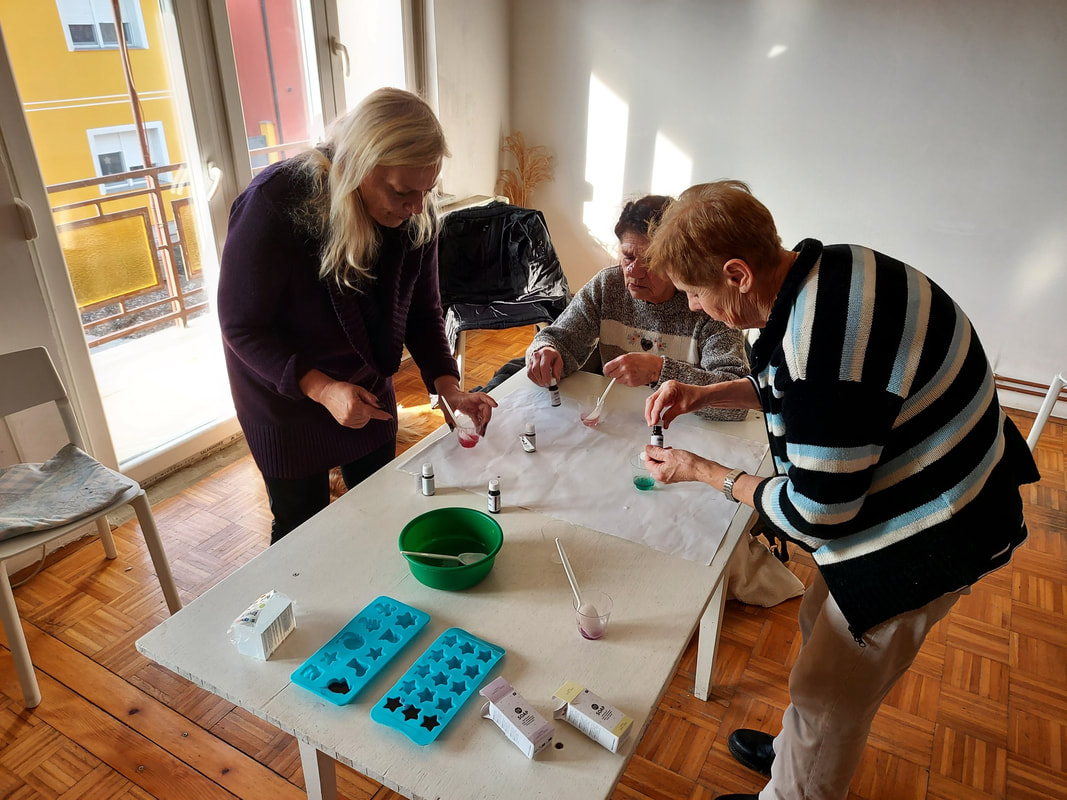
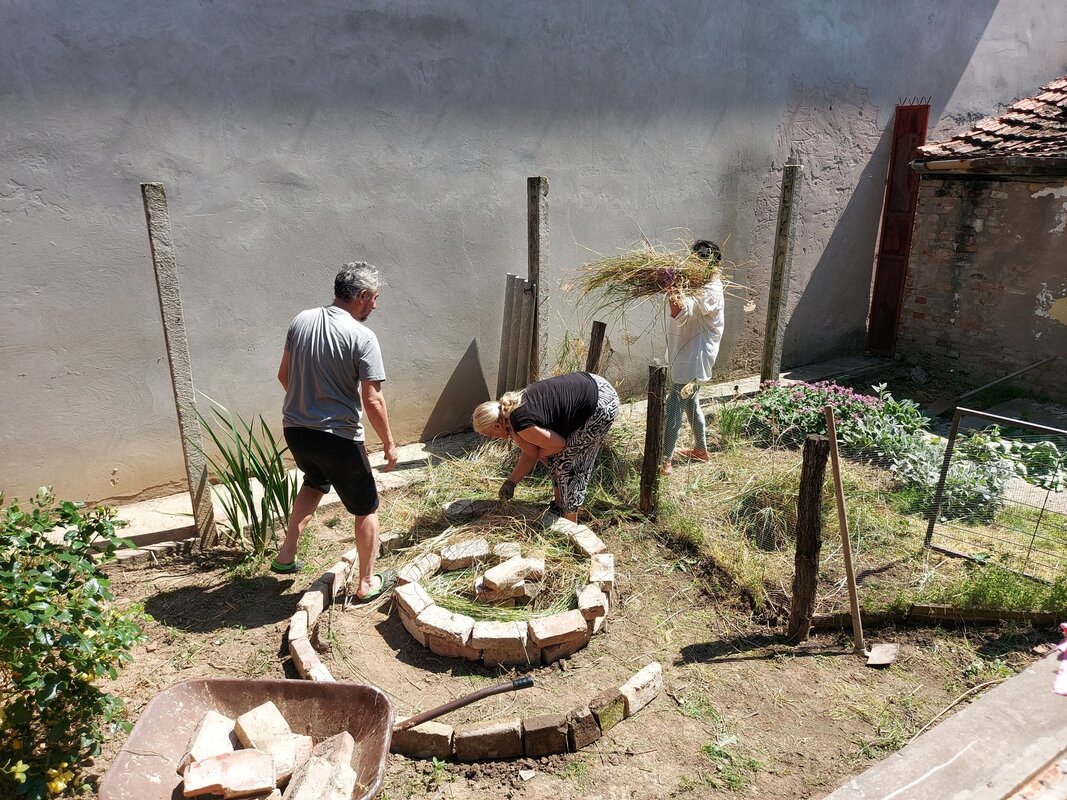
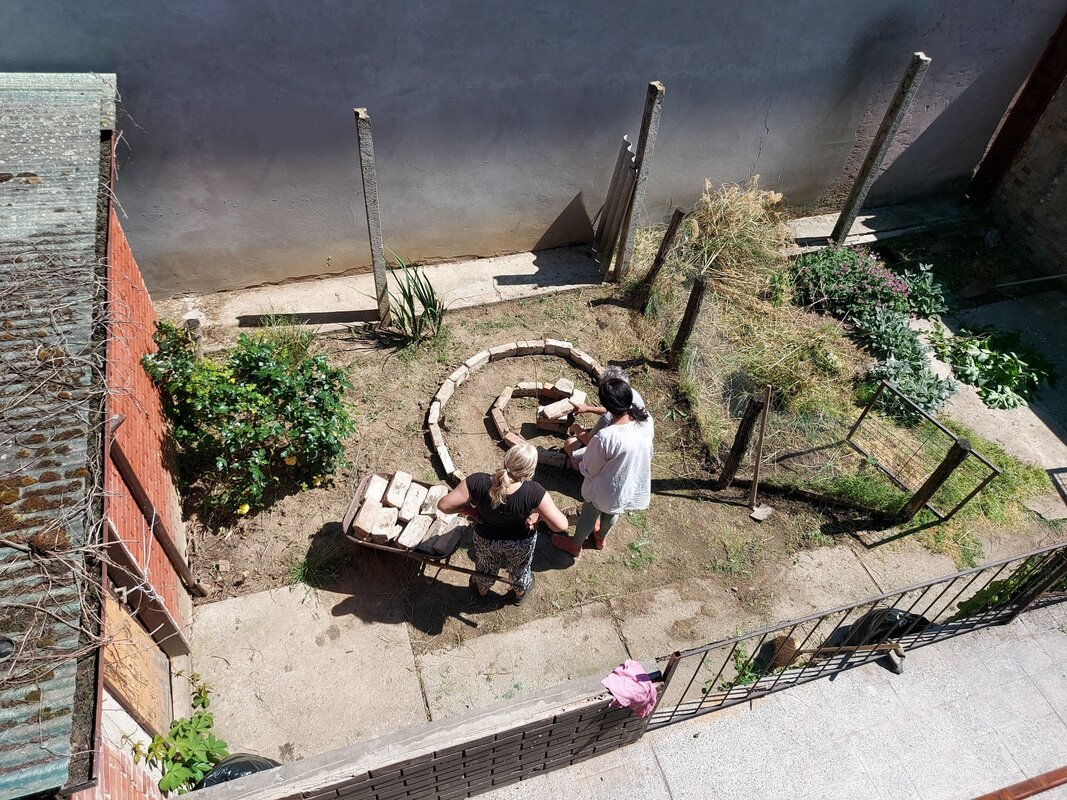
"Kafić Uzdravlje" otvoren je u travnju zahvaljujući donaciji HEP-a. U sklopu projekta organizirali smo razne aktivnosti od uređenja spiralnog vrta, likovnih radionica, psihošetnji i grupa peer podrške.
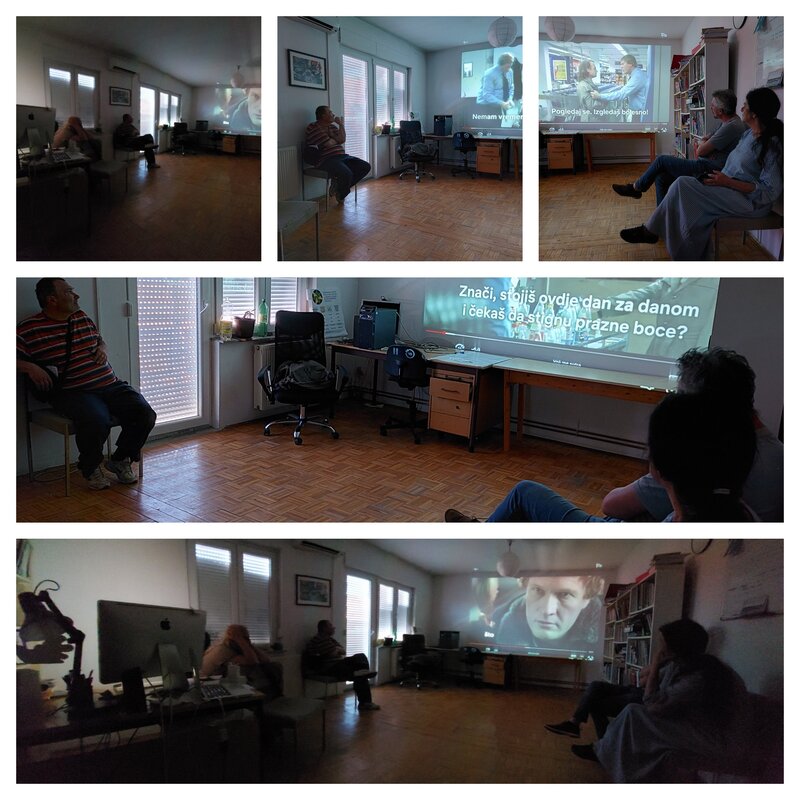
U svibnju smo sudjelovali u Akciji Hrvatska volontira, od 11. do 13. svibnja organizirali smo projekcije filmova o mentalnom zdravlju, a za ljubitelje prirode pripremili smo uređenje spiralnog vrta, u sklopu  Festivala mentalnog zdravlja, kojeg smo organizirali sa prigodnim projekcijama filma, Živom knjižnicom i psiho-šetnjama u okviru projekta Mentalno zdravlje i ljudska prava koji se provodio od rujna 2021. do listopada 2022.
 
Projektom "Mentalno zdravlje u zajednici" koji je započeo 01. listopada 2022. nastavili smo rad na širenju grupa peer podrške.

28.10. obilježili smo Svjetski dan peer stručnjaka.
 
Povodom 10. listopada 2022., Svjetskog dana mentalnog zdravlja, najavili smo projekt Mentalno zdravlje u zajednici kojeg provodimo s partnerima Udruga Ludruga, Udrugom za unaprjeđenje mentalnog zdravlja Vrapčići iz Slavonskog Broda, te Udrugom za promicanje mentalnog zdravlja Feniks, iz Splita .
 
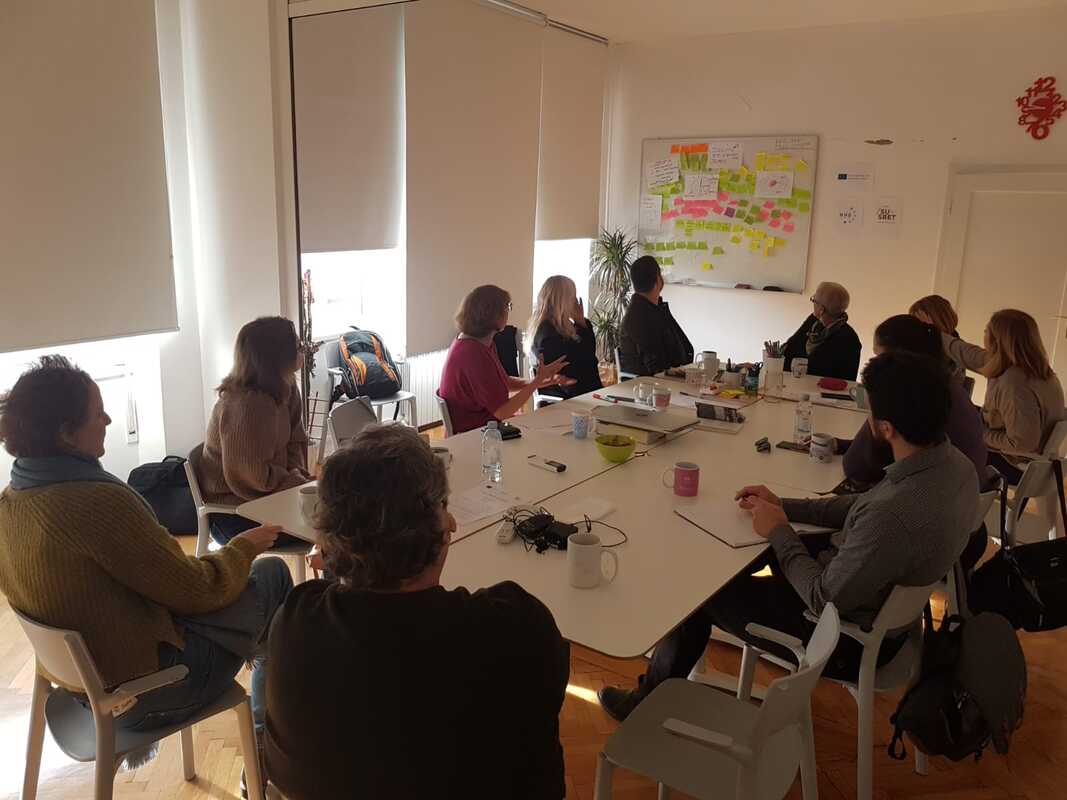
Seminari jačanja kapaciteta bitna su komponenta u radu i razvoju udruga kao i u osobnom razvoju i edukaciji nas samih.
 
15. 11. 2022 sudjelovali smo na NCB seminaru u organizaciji Udruga za psihosocijalnu pomoć 'Susret' uz potporu Mental Health Europe. Bilo je odlično, zanimljivo i korisno.
 
U 12 mj. 2022. krenuli smo na Put oporavka : Od supatnika do suputnika u društvu sa Udrugom Ludruga iz Zagreba,  Udrugom za psihosocijalnu pomoć Susret iz Zagreba, te Udrugom za unaprjeđenje mentalnog zdravlja „Vrapčići“ iz Slavonskog Broda.

Trogodišnji projekt Trening za mentalno zdravlje, koji je također financiran sredstvima Ministarstva zdravstva, započeli smo u 12 mjesecu 2022.

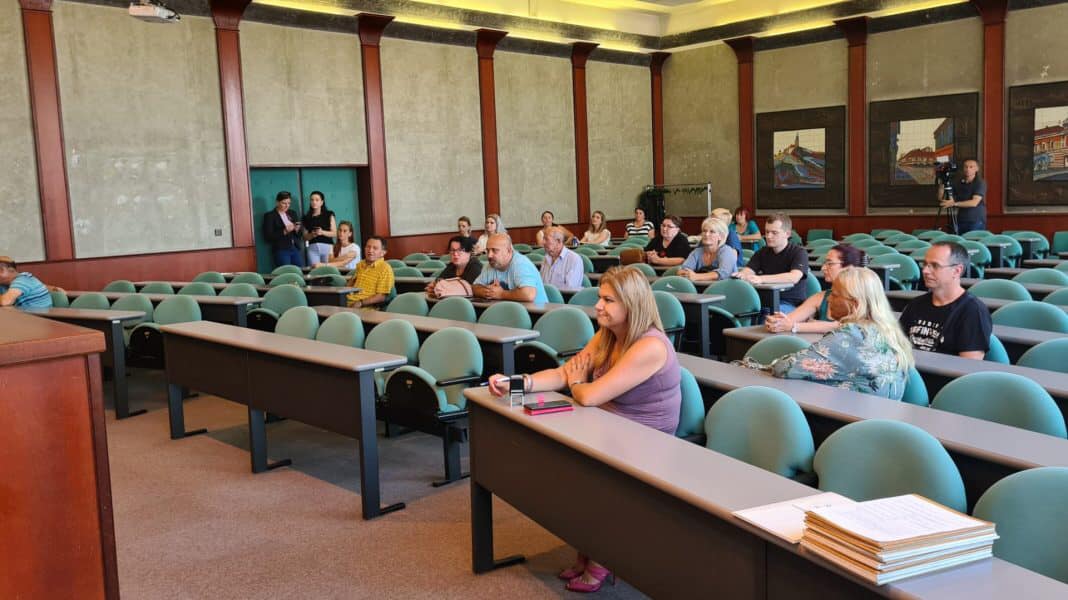
8. prosinca 2022. na Dan ljudskih prava sudjelovali smo na javnoj raspravi "Mentalno zdravlje u slovima, brojkama i životima" u želji da "Strateški okvir za razvoj mentalnog zdravlja do 2030." ne ostane samo mrtvo slovo na papiru, kao članovi SUMEZ-a - Hrvatski savez udruga za mentalno zdravlje koju su organizirali Solidarna - zaklada za ljudska prava i solidarnost, u suradnji s Human Rights Film Festival.

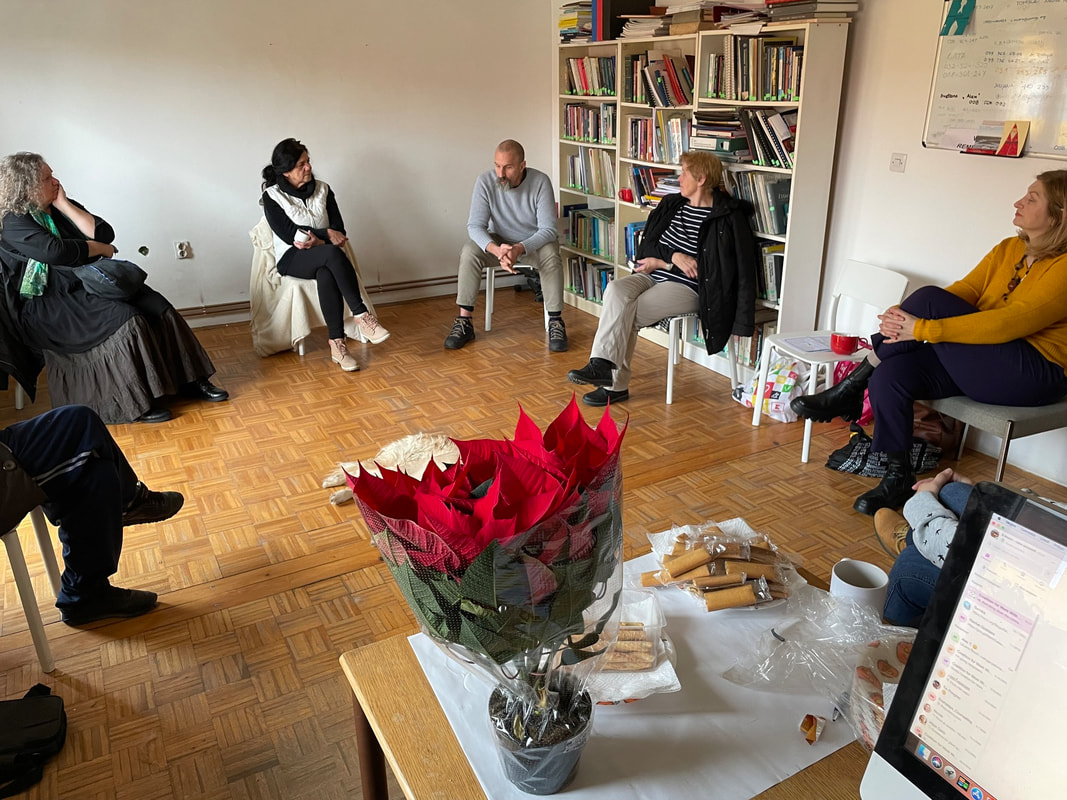
Tijekom cijele godine kontinuirano organiziramo i provodimo grupe podrške, kao i individualno savjetovanje, za osobe sa iskustvom psihosocijalnih teškoća.


0 Comments


Leave a Reply.

    Godišnja financijska izvješća

    potvrda_01.01.do_31.12.2020..pdf
    File Size: 341 kb
    File Type: pdf
    Download File

    potvrda_01.01.-31.12.2021..pdf
    File Size: 75 kb
    File Type: pdf
    Download File

    potvrda_01.01.-31.12.2022..pdf
    File Size: 280 kb
    File Type: pdf
    Download File

    potvrda_1.1-30.12.2024.1
    File Size: 445 kb
    File Type: 1
    Download File

    Your browser does not support viewing this document. Click here to download the document.
    ​potvrda_1-12_2025.pdf

COPYRIGHT © cwwpp 2019

  • Home
  • About Us
    • Who are we?
    • Mission and Vision
    • The Region
    • Profile of Psychological Trauma
    • History
    • Partners
    • Get Involved
    • Reports >
      • Monthly Reports
      • Annual and Semi-Annual Reports
  • Our Work
    • Philosophy
    • Social Inclusion
    • Community-based Training
    • Groups with which We Work
    • Peer Counseling and Self-Help Groups
    • Education >
      • Onsite Education
      • Online Education
      • "Blended" Education in Croatia and Other Regions
      • How You Can Request a Course or Counseling
      • Internships, The Summer Program, and Other Possibilities for Students
    • Supervision
    • Work with people
    • Sensitization
    • The Migrant Project
  • PET (Pragmatic Empowerment Training)
    • Pragmatic Empowerment Training (PET)
    • Course 1-The Caregiver-Client Relationship >
      • 1 Introduction >
        • 1 Introduction to the PET
        • 2 The CWWPP >
          • Introduction to the CWWPP - Comments
        • 3 PET
        • 4 Facilitation
        • 5 Additional Remarks on the Course >
          • Inventarization
      • 2 The Caregiver-Client Relationship >
        • 1 Introduction and the Caregiver Client Relationship as the Basis of Everything
        • 2 Some First Principles >
          • Taking an Interest In and Concentrating on the Client
          • Taking An Attitude of Humanity and Compassion
          • Listening and Responding to the Total Person
        • 3 Some Points About Language and Getting to Know the Client >
          • Activities - Using Language That the Person Can Understand
          • Activities - Taking the Time and Getting As Much Information as Possible
          • Activities - Feelings
          • Activities - Motives
          • Activities - Interests
          • Activities - Content and Its Interpretation
          • Activities - Assumptions
          • Activities - Prejudices
          • Activities - Expectations
          • Activities - Generalizations
          • Activities -Final Remarks
        • 4 Creating the Right Atmosphere >
          • Activities - The Physical Environment
          • Activities - Formality
          • The Theme of the Session
          • Activities - The Presence of Other People in the Session
          • Activities - The Pressure on the Caregiver and the Client
          • Activities - Final Activities
        • 5 Persistence Patience Insistence Discipline >
          • Activities - Persistence
          • Activities - Patience
          • Activities - Insistence
          • Activities - Discipline
          • Activities - Final Comments
        • 6 Identification and Maintaining Self-Identity >
          • Activities - Identification of the Caregiver with the Client and of the Client with the Caregiver
          • Activities - Maintaining Your Own Identity
          • Activities - Final Comments
          • Education
        • 7 Tolerance and Individualization >
          • Activities - Tolerance and Taking a Non-Judgmental Approach
          • Activities - Individualization
          • Activities - Final Comments
        • 8 Responsibility, Control, and Giving Permission >
          • Activities - Getting the Client to Take Control of His or Her Own Life
          • Activities - Giving the Client Control
          • Activities - Giving the Client Permission
          • Activities - Final comments
        • 9 Giving Time and Space; Listening vs. Preaching >
          • Activities - Giving Time and Space
          • Activities - Listening vs. Preaching
          • Activities - Final Remarks
        • 10 Gaining and Maintaining Trust >
          • Activities - Honesty
          • Activities- Openness
          • Activities - Directness
          • Activities - Keeping Promises
          • Activities - Humanity
          • Activities - Final Activities
          • Activities - Final Remarks
        • 11 Ethics >
          • Activities - Do No Harm
          • Activities - Privacy
          • Activities - The Relationship Between the Caregiver and the Client Outside of the Caregiving Situation
          • Activities - Professionalism
          • Activities - Payment and Gifts
          • Activities - Conventions and Codes
          • Activities - Final Activities
          • Activities - Final Remarks
        • 12 Preparation, Flexibility, and Adaptation >
          • Activities - Preparation
          • Activities - Flexibility and Adaptation
          • Activities - Final Remarks
        • 13 Religion, Belief, and Hope >
          • Activities - The Role of Belief and Religion
          • Activities - Hope
          • Activities - Final Remarks
        • 14 Time and Closeness Revisited >
          • Activities - Time
          • Activities - Closeness
          • Activities - Final Remarks
        • 15 Final Remarks and Activities for this Section >
          • Activities - Final Activities
      • 3 Self-Care >
        • 1 Introduction to this Section >
          • Activities - Introduction
        • 2 Limits >
          • Activities - Time
          • Activities - Physical and Emotional Energy
          • Activities - Acceptance of What We Can and Cannot Do
          • Activities - Final Remarks
        • 3 Burnout >
          • Activities - Introduction and Definition of Burnout
          • Activities - The Causes of Burnout
          • Activities - Symptoms and Signs of Burnout
          • Activities - Dealing with Burnout
          • Activities - Prevention of Burnout
          • Activities - Final Remarks
        • 4 Self-Reflection and Self-Criticism >
          • Activity - Self-Reflection and Self-Criticism
        • 5 The Balance Between Professional and Private Life >
          • Activities - Th Balance Between Professional and Personal Life
        • 6 Supervision and Intervision >
          • Activities - Supervision and Intervision
        • 7 Factors Promoting and Detracting from Self-Care
        • 8 Final Remarks and Activities for this Section >
          • Activities - Factors Promoting and Detracting from Self-Care
          • Activities - Final Remarks
      • 4 Final Remarks and Activities for the Course >
        • Activities - Final Remarks for the Course
    • Miscellaneous Educational Documents
  • Library
    • Learning Materials and Course Summaries
    • Brochures and Briefing Papers
    • Conference and Scientific Papers
    • Conference Trauma and Mental Heal in Conflict and Migration >
      • Kanda
      • Young
      • Shrusti
      • Dougherty
      • Yoder-Lopez
      • Tauber
      • Sillett
      • Niconchuk
    • Osijek Seminar 7 May 2019
    • InPact Conference May 2019
    • Articles about and by CWWPP
    • Artwork By A Refugee
  • Contact Us
  • Links
  • Donate
  • Koalicija za rad sa psihotraumom i za mir Vukovar
    • O nama
    • Objave
    • Misija i vizija
    • Godisnja financijska i opisna izvjesca
    • Kontakt
    • Živa knjižnica
    • Aktivnosti
    • Naš rad >
      • Naša filozofija
      • Socijalna uključenost
      • Obuka u zajednici
      • Skupine s kojima radimo
      • Peer savjetovanje/Grupe za samopomoć
      • Edukacija
      • Supervizija/Intervizija
      • Senzibilizacija društva/Brošure
      • Projekt Migranti
    • Profil psihološke traume
    • PET Program >
      • Tečaj 1- Odnos pomagača i korisnika >
        • 1. Uvodni dio tečaja >
          • 1.1. Uvod
          • 1.2. O CWWPP-u i početcima PET-a
          • 1.3. Trening pragmatičnog osnaživanja (PET)
          • 1.4. Uvod u facilitiranje
          • 1.5. Završne napomene o načinu funkcioniranja tečaja
        • 2. Odnos pomagača i korisnika >
          • 2.1. Odnos kao osnova svega
          • 2.2. Osnovna načela
          • 2.3. O jeziku sporazumijevanja i o upoznavanju korisnika
          • 2.4. Stvaranje ugodaja
          • 2.5. Ustrajnost, strpljivost, upornost i disciplina
          • 2.6. Identificiranje s drugima i čuvanje vlastitog identiteta
          • 2.7. Tolerancija, ne osuđujući pristup i individualizacija
          • 2.8. Odgovornost, kontrola, davanje dozvole za izražavanje osjećaja
          • 2.9. Davanje vremena i prostora; slušanje umjesto moraliziranja
          • 2.10. Stjecanje i održavanje povjerenja
          • 2.11. Etika
          • 2.12. Priprema, fleksibilnost i prilagodba
          • 2.13. Vjera, religija i nada
          • 2.14. Ponovimo: Vremenska posvećenost i prisnost s korisnikom
          • 2.15. Završne napomene i aktivnosti
        • 3. Self-Care >
          • 3.1. Uvod
          • 3.2. Ograničenja
          • 3.3. Burnout
          • 3.4. Samopromatranje i samokritika
          • 3.5. Ravnoteža između poslovnog i privatnog života
          • 3.6. Supervizija i intervizija
          • 3.7. Čimbenici i aktivnosti koji potiču ili ometaju Self-care
          • 3.8. Završne napomene i aktivnosti za ovo poglavlje
        • 4. Završne napomene i aktivnosti za ovaj tečaj
    • Donirajte
  • Podcast